
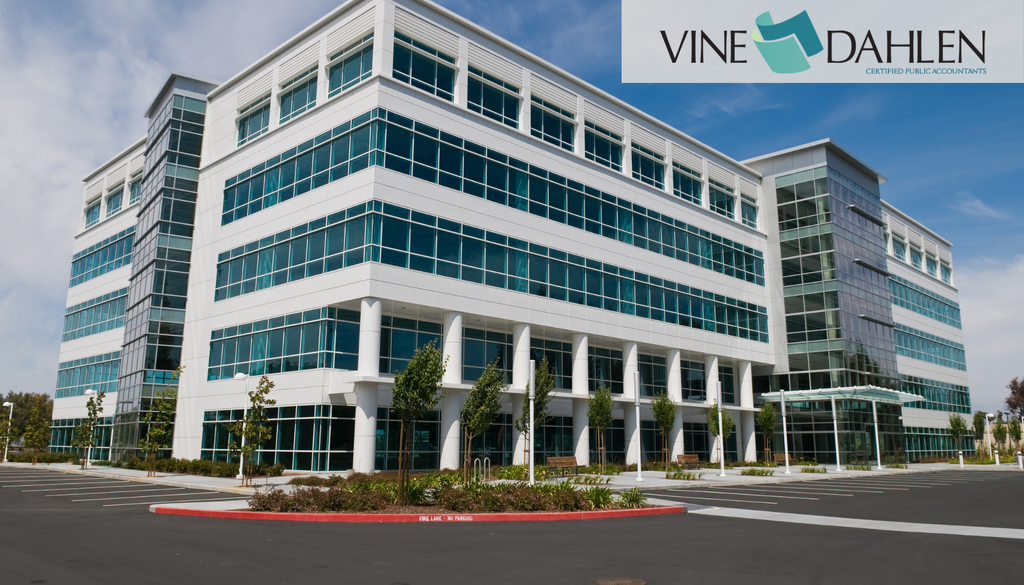
If your business is planning improvements to a building before year end, careful planning may allow you to maximize your 2026 tax deduction. A special safe harbor can allow qualifying small businesses to deduct such expenditures currently — but only if expenses don’t exceed the applicable limit.
Could You Qualify?
Normally, a business that has performed repairs or maintenance on a building can expense those costs and take an immediate deduction. But costs incurred to improve a building must be depreciated over several years. The safe harbor for small businesses allows costs that might be considered improvements to be currently deducted up to certain limits.
The safe harbor is generally available to businesses with average annual gross receipts of $10 million or less for the three preceding tax years. It applies to an eligible building that the business owns or leases and that has an unadjusted basis of $1 million or less.
For the safe harbor to apply, the total amount paid during the tax year for repairs, maintenance, improvements and similar activities on the building must not exceed the lesser of:
- $10,000, or
- 2% of the building’s unadjusted basis.
For example, for an eligible building with a $400,000 unadjusted basis, the safe harbor limit is $8,000. If your total qualifying expenditures stay within that amount, you may be able to deduct them currently rather than capitalize them.
Watch the Annual Limit
The annual limit makes tracking building expenditures important. If total costs exceed the applicable threshold, the safe harbor doesn’t apply to any of the expenditures for that building.
Before authorizing additional work, review how much you’ve already spent. If you’re close to the limit, another project before year end could push you over the threshold. It may make sense to postpone nonessential work until the following year.
Expenditures that don’t qualify for the safe harbor may still be currently deductible, but you must evaluate them under the general tangible property regulations. Under those rules, costs that result in a betterment, restoration or adaptation to a new or different use generally must be capitalized.
Seek Guidance
If repairs or improvements are on your year-end agenda, contact the office before moving ahead. It’s important to review your building’s unadjusted basis and your year-to-date expenditures to help determine whether the safe harbor could benefit your business.